Personal flag designer
Design a flag from a layout, a symbol and a limited palette. Export your sketch and explain what each element represents.
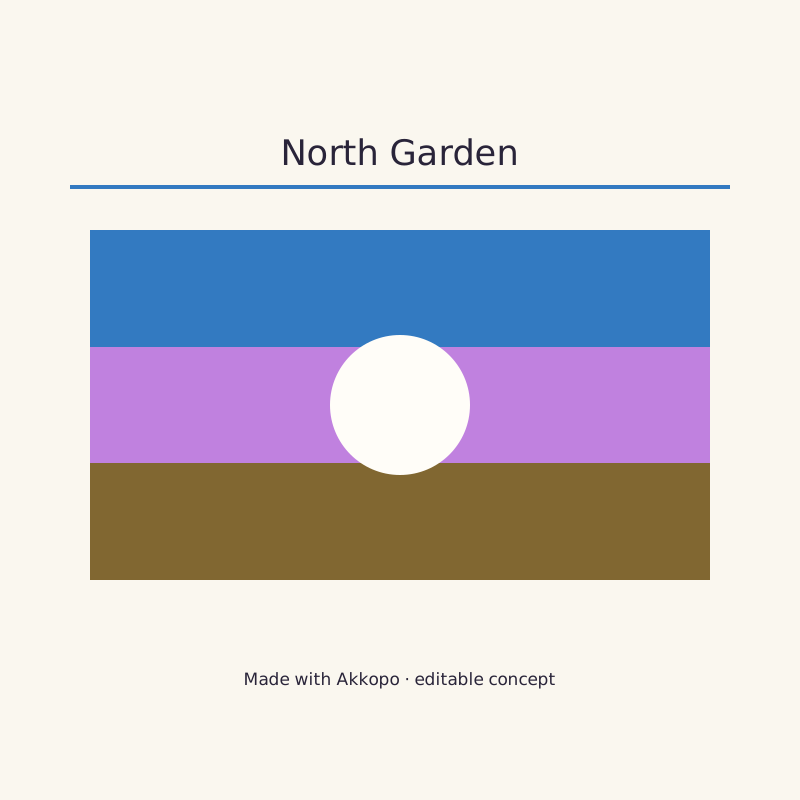
Personal flag designer
Design a flag from a layout, a symbol and a limited palette. Export your sketch and explain what each element represents.
Try a second version
Check the design at thumbnail size. A simple flag should still be recognizable when its label cannot be read.
All changes and downloads happen in your browser. Nothing you type is sent to us. SVG downloads can be edited in a vector editor; the text download keeps your choices and notes.
The original word-to-result game
The archived game below selects a preset fictional result. It is separate from the design tool above and cannot measure rarity, predict a future or reveal another person’s feelings.
About the archived wording: percentage, rarity, IQ, timed-performance and mind-reading claims in the original copy below are fictional challenge language, not measured findings. The rules and result labels are preserved for entertainment.
Flags are just names that learned to fly. Every one is a promise stitched in color: this is who we are, this is what we stand for, salute if you agree. Your name, it turns out, has a banner of its own folded up and waiting.
Type it below and let the wind take it. What unfurls is part crest, part motto, part cheerful nonsense, all yours. Hang it in the group chat, plant it on a hill, or simply enjoy knowing your name would look excellent snapping in a strong breeze.
Read every possible result and what it means →
The rules that keep a flag from becoming a bedsheet with a logo
Flags are designed under brutal constraints. They are usually seen small, at distance, in motion, from either side, and often against a bright sky. Vexillology, the study of flags, takes its name from the vexillum, a Roman standard hung from a crossbar; the field has produced one famously short set of guidelines in Ted Kaye's booklet Good Flag, Bad Flag, published for the North American Vexillological Association. Keep the design simple enough that a child could draw it from memory. Use symbolism that means something. Limit yourself to two or three basic colours. Avoid lettering and seals. Be distinctive, or be deliberately related to a neighbour.
The lettering rule is the one people resist and the one that earns its keep. Words are illegible at flag distance, mirror-reversed on the reverse face, and useless to anyone who does not read that script. The rule against seals follows from it, since a municipal seal drawn for the top of a document becomes a grey smudge on a pole.
Colour on colour, an argument inherited from heralds
Much of this is borrowed from heraldry, which spent centuries solving the same legibility problem on shields. Its central convention is the rule of tincture: the metals, gold and silver, rendered in practice as yellow and white, should not sit directly against each other, and neither should two colours. Set red beside blue and the boundary between them dissolves at any real distance; slip white in between and the shapes snap back. Look at the flags you can identify from across a stadium and you will nearly always find a metal doing the separating work.
The exceptions are famous precisely because they are exceptions, the arms of Jerusalem being the case heralds always reach for. Beyond colour, flags differ in ways few people notice. Two by three is the common proportion, yet Switzerland and the Vatican fly square, and Nepal's double pennant remains the only national flag that is not a rectangle. None of that settles what ought to appear on a banner bearing your name. That part is invention, and it is meant to be.
Reading context & limits
For background and a fuller source trail, read Why Personality Quiz Results Feel So Accurate. These references provide context; they do not validate the entertainment result or every historical detail in the archived essay.
Content lead: LISA. Updated October 25, 2026. Send a specific factual correction.